I Built an Aircraft Carrier to Launch My Plane
How One Founder’s IP Funds a Cooperative Platform
The Problem
I have an airplane. A really good one.
Forty years of design. Nine years of active construction. 1,200+ documented innovations, prototypes over 23 years. The patent portfolio includes 99% utility patents — not design — protected by 210 formal claims across 7 applications. Eight definite with 9 more out of the first 130 so far have survived a deep dive against the U.S. patent office with no prior art found.
The airplane is called HexIsle — a water-powered physical computing system disguised as an island-building game. It’s real, it’s patented, and it’s ready to fly.
There’s just one problem:
I have no aircraft carrier.
The Metaphor
You can have the best aircraft in the world. Without a carrier, it sits in a hangar. Maybe you rent space on someone else’s carrier — but then they control your operations, take a cut of your missions, and can kick you off whenever they want.
The traditional answer: raise capital. Convince investors that your airplane is worth funding. Give them equity. Watch your ownership dilute while they pressure you to optimize for their returns.
I’ve spent four decades designing systems that avoid exactly this trap.
So here’s what I’m doing instead.
The Solution: Use What I Already Own
I own patents. Valuable ones.
Not “valuable someday when we IPO” — valuable now, as intellectual property that any company building cooperative platforms, decentralized governance, or privacy-preserving economics will eventually need to license.
I’m using my IP to fund the aircraft carrier so I can fly my airplane. And so can you.
Because once the carrier is built, anyone else can fly theirs too.
The Structure
What I Own
- 8 definite utility patents (9 more possible from first 130 vetted)
- Patent claims across 6 filed applications
- 1,200+ documented innovations, prototypes over 23 years
- Handwritten journals going back to 2003 (active duty prototypes)
This is my property. I created it. I can sell it, license it, or give it away.
What I’m Doing With It
I’m outright giving 60% ownership of the entire patent portfolio to the Platform — the cooperative itself.
And I’ve set aside 20% of the patent portfolio for the Sponsor Pool.
This 20% funds the platform in two ways:
1. Sponsor Stakes
People who sponsor new members to join Liana Banyan receive fractional ownership of the patent portfolio. The math:
| Your Contribution | What It Funds | Your Patent Stake |
|---|---|---|
| $25 | 5 new members | 0.001% |
| $100 | 20 new members | 0.005% |
| $500 | 100 new members | 0.025% |
| $1,000 | 200 members | 0.05% |
| $5,000 | 1,000 members | 0.25% |
2. Patent Prosecution Voting
Members can vote with Credits on which patents to prosecute (convert from provisional to utility). Voters receive proportional stakes in the specific patents they funded.
The cost to prosecute each patent = conversion fees + implementation costs. That total becomes the voting threshold. Once funded through votes, prosecution begins, and voters own stakes in that patent.
The Patent Split
| Allocation | Recipient | Purpose |
|---|---|---|
| 60% | The Platform | Cooperative owns the majority |
| 20% | Sponsor Pool | Sponsors + Patent Voters |
| 20% | Founder | I retain this portion |
Why 60% to the platform? Because the patents are only valuable if the cooperative thrives. By giving the majority to the platform itself, I’m ensuring the community has skin in the game — and that no outside acquirer can strip the IP away from the members.
Why This Isn’t a Security
This question matters, so let me be direct:
I am not selling investment in a company. I am selling (or gifting) my personal property.
The SEC’s Howey Test requires four elements for something to be a security:
- Investment of money ✓
- In a common enterprise ✗
- With expectation of profits ✓/✗
- Derived from efforts of others ✗
Why this fails the test:
Not a common enterprise: These are my patents. I own them personally. Selling fractional ownership of my house isn’t a security — neither is selling fractional ownership of my IP.
No “efforts of others” dependency: The patents are already filed. The innovations are already documented. Whether the platform succeeds or fails, the IP exists and can be licensed.
I’m not asking anyone to invest in my future work. I’m offering them ownership of work I’ve already completed.
The Bounty System
But wait — if I’m bootstrapping, I don’t have Credits to pay people. How do I hire?
Marks.
I post Hiring Bounties paid in Marks (which clears through participation). Others can:
- Fund my bounties with their own Credits or Joules
- Purchase Marks on specific bounties
- Vote with Credits on patent prosecution
In exchange, funders receive:
- Joules (working power in the platform)
- Patent stakes (proportional ownership in the IP they helped prosecute)
Because my bounties are for Founder Projects (HexIsle), they’re backed by Founder’s patents. The IP behind the work is the collateral.
The Flow
FOUNDER'S PATENT PORTFOLIO (100%)
       │
       ├── 60% → PLATFORM (cooperative owns it)
       │
       ├── 20% → SPONSOR POOL
       │         ├── Sponsors: Help others join → Get proportional stake
       │         └── Voters: Fund prosecution → Get that patent's stake
       │
       └── 20% → FOUNDER RETAINS

BOUNTY FUNDING FLOW:
       │
       ├── Founder posts Bounty (paid in Marks)
       │       │
       │       └── FUNDERS can:
       │           ├── Buy Marks → Get Joules + patent stake
       │           ├── Vote Credits on patent → Get that patent's stake
       │           └── Fund bounty → Get Joules
Why This Works
For Me
I get to build my airplane (HexIsle) AND the carrier (Liana Banyan) without:
- Giving up control to investors
- Taking on debt
- Waiting for permission
For Funders
They get real ownership in real intellectual property — not tokens, not shares in a company that might dilute them, not promises.
The patents exist. They’re filed. When they’re licensed, owners get paid.
For Everyone Else
Once the carrier is built, anyone can fly their airplane.
The 16 initiatives. The member businesses. The cooperative ventures. All of them get to use infrastructure that wasn’t built by extracting value from them.
The Aircraft Carrier Principle
Build infrastructure with what you own. Let others use it once it’s built.
I own my IP. I’m spending it to build something larger than myself.
When it’s done, I’ll have an aircraft carrier that I built with my own resources — and a fleet of other people’s airplanes flying missions I never could have imagined.
That’s the point.
How to Participate
Option A: Sponsor Someone
Help a new member join. Receive proportional patent ownership.
Option B: Fund a Bounty
Buy Marks on a Founder Project bounty. Receive Joules + patent stake.
Option C: Vote on Patents
Commit Credits to fund patent prosecution. Receive ownership in that patent.
The Numbers
| Asset | Current | Status |
|---|---|---|
| Filed Applications | 6 | Growing |
| Definite Utility Patents | 8 | 9 more possible |
| Documented Innovations | 1,200+ | Growing weekly |
| Sponsor Pool Available | 20% | ~0.2% claimed |
| Patent Licensing Revenue | $0 | Pending prosecution |
The Three-Tier IP Control Framework
Here’s the part that applies to everyone, not just me.
When any creator brings IP to Liana Banyan — music, patents, designs, code — they choose their level of control. We call it the Control vs. Payoff Dial:
| Tier | Creator % | LB % | Control Level | Utilization Rate |
|---|---|---|---|---|
| Tier A | 49% | 51% | Ethical guardrails only | ~95% |
| Tier B | 60% | 40% | Up to 5 prohibited categories | ~75% |
| Tier C | 75% | 25% | Case-by-case approval | ~40% |
The Key Insight
More control = less money (Tier C: 75% of a smaller pie)
Less control = more money (Tier A: 49% of a much bigger pie)
On $1M potential revenue:
- Tier A creator earns $465,500 (49% × 95% utilization)
- Tier B creator earns $450,000 (60% × 75% utilization)
- Tier C creator earns $300,000 (75% × 40% utilization)
Tier A creator earns MORE absolute dollars despite lower % because utilization is higher.
Why I Chose Tier B for My Patents
I’m not blocking any specific categories. I trust the cooperative’s charter. But I want the anti-shelving protections and creator veto rights that come with Tier B — the same protections any creator gets.
My 20% is structurally identical to what any creator can choose. No special class.
Full Three-Tier Framework Documentation →
Advanced: Patent Buckets and Global Sponsor Pool
For those who want to go deeper, we’ve built a sophisticated system for external patent funding:
Two Ways to Participate
| Pool | Scope | Your Slice |
|---|---|---|
| Global Sponsor Pool | All patents | Tiny slice of everything |
| Patent Buckets | Curated groups | Bigger slice of specific patents |
Key Features
- $10M per-stake cap: No one can extract rent forever
- Dynamic rebalancing: Buckets are regrouped at snapshots to keep per-stake returns fair
- Stake splitting: Large stakes get divided so ticket sizes stay accessible
- Labor protected: Caps apply to capital, not to your work (Joules, wages)
Full Patent Economics Paper →
Patent Buckets FAQ →
Investor One-Pager →
The Philosophy: Learning from Losing
I’ve played over 25,000 games of chess. My rating hovers around 2080 — top 0.4% worldwide.
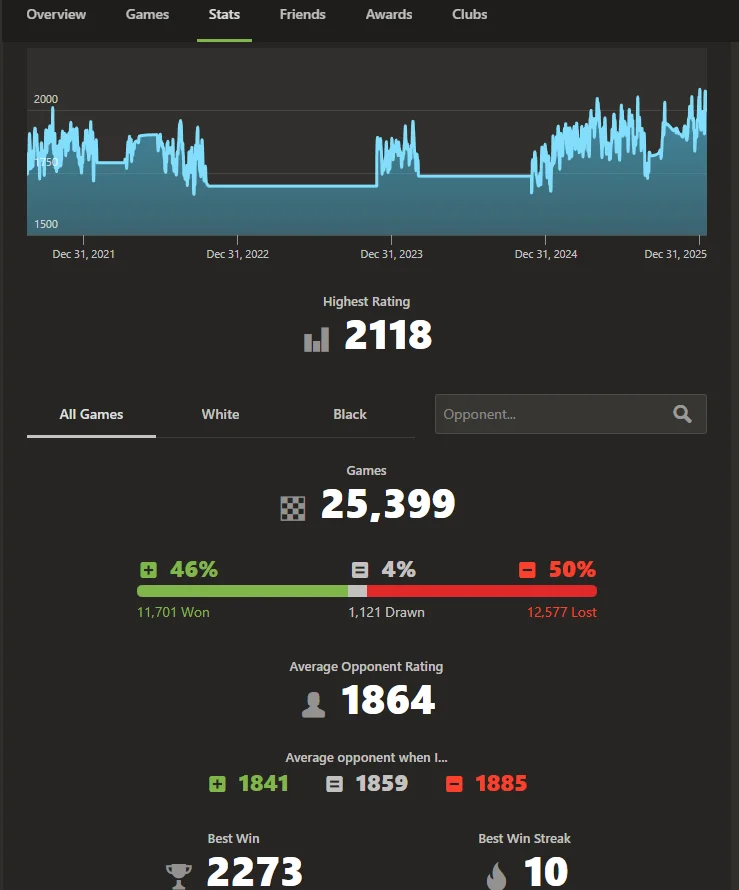 Chess.com statistics — verified January 2026
Here’s the important part: I’ve lost more games than I’ve won.
About half my games are losses. The edge doesn’t come from never losing — it comes from how you treat each loss: as shame, or as tuition.
I could have kept 100% of my patents. I could have raised capital and given equity to VCs. I could have waited for “the right moment.”
Instead:
- I’m giving away 20% to people who help others
- I’m letting members vote on what gets prosecuted
- I’m funding my own work with my own property
Because 80% of something built by a community beats 100% of something built alone.
The aircraft carrier isn’t mine. It belongs to everyone who helped build it.
I just supplied the steel.
“Help each other help ourselves.”
FOR THE KEEP.